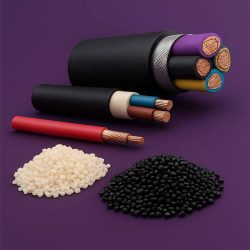
XLPE Cross-linked Polyethylene
XLPE (Cross-linked Polyethylene)
XLPE is a thermoset plastic material engineered by modifying polyethylene at a molecular level to form a robust, three-dimensional molecular mesh. Renowned for its exceptional thermal stability, chemical resistance, and superior electrical insulation, it is the industry standard for high-voltage cabling and high-durability piping in demanding environments.
Key Material Properties
-
Structural Integrity: Unlike standard polyethylene, XLPE is a thermoset material, meaning it will not melt or drip when exposed to high heat. It offers significantly higher tensile strength, impact resistance, and long-term durability.
-
Thermal Performance: XLPE is designed for high-load environments, maintaining structural integrity at continuous operating temperatures up to 90°C and withstanding short-circuit temperatures up to 250°C.
-
Environmental Resilience: The material is highly resistant to environmental stress cracking, “water treeing” (a form of electrical degradation), and a wide range of industrial chemicals.
Primary Applications
-
Electrical Infrastructure: Extensively used as the primary insulation for low, medium, and high-voltage power cables due to its dielectric strength.
-
Fluid Systems: Utilized in hot and cold water plumbing, hydronic radiant heating systems, and industrial chemical storage tanks.
-
Industrial Piping: Preferred for harsh environments where resistance to high pressure and corrosive chemicals is mandatory.
Methods of Cross-linking
The molecular “mesh” is typically achieved through one of three specialized industrial processes:
-
Peroxide (PE-Xa): Chemical cross-linking performed at high temperature and pressure.
-
Silane (PE-Xb): A moisture-cure method involving a chemical grafting process.
-
Electron Beam (PE-Xc): A physical cross-linking process using high-energy radiation.