Enamelled Magnet Wire (Winding Wire)
Enamelled Magnet Wire (Winding Wire)
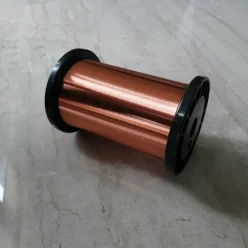
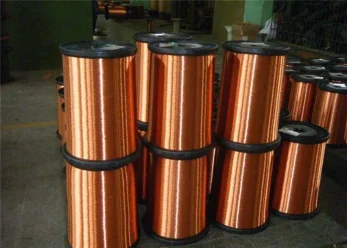
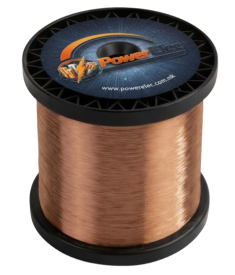
Enamelled Magnet Wire is a copper or aluminum conductor coated with a high-insulation resin (enamel) at a micron-level thickness. It is specifically designed to convert electrical energy into magnetic fields through winding.
Unlike standard cables that use thick plastic jackets, magnet wires are coated with a thin, liquid resin. This allows thousands of turns to be wound into extremely tight spaces without causing short circuits, even when the wires are in direct contact.
Key Characteristics
-
Ultra-Thin Insulation: The coating is so thin that the wire may appear bare, yet it provides complete electrical isolation.
-
High Thermal Stability: Typically manufactured to withstand continuous operating temperatures of 155°C, 180°C, or 200°C.
-
Flexibility: The enamel layer is engineered not to crack or peel during high-speed winding, maintaining its dielectric properties even under tight bends.
-
Heat Dissipation: The thin coating allows for faster heat transfer from the core of the coil to the environment.
Primary Applications
Enamelled wire is an essential component in almost any device that involves electrical movement or voltage transformation:
-
Electric Motors: From household appliances (washing machines, vacuums) to industrial motors and drone rotors.
-
Transformers: Used to step voltage up or down in everything from phone chargers to neighborhood power grids.
-
Generators: To convert mechanical movement into electrical power.
-
Automotive Industry: Starter motors, ignition coils, and wiper motors.
-
Electronics: Voice coils in speakers, relays, and inductors.
Coating Types (Chemical Composition)
Depending on the application, the “enamel” can be formulated from various polymers:
-
Polyurethane: Generally used for wires that require easy solderability.
-
Polyesterimide: Preferred for motors requiring high thermal resistance.
-
Polyamide-imide: Offers extreme thermal and chemical resistance for heavy-duty environments.